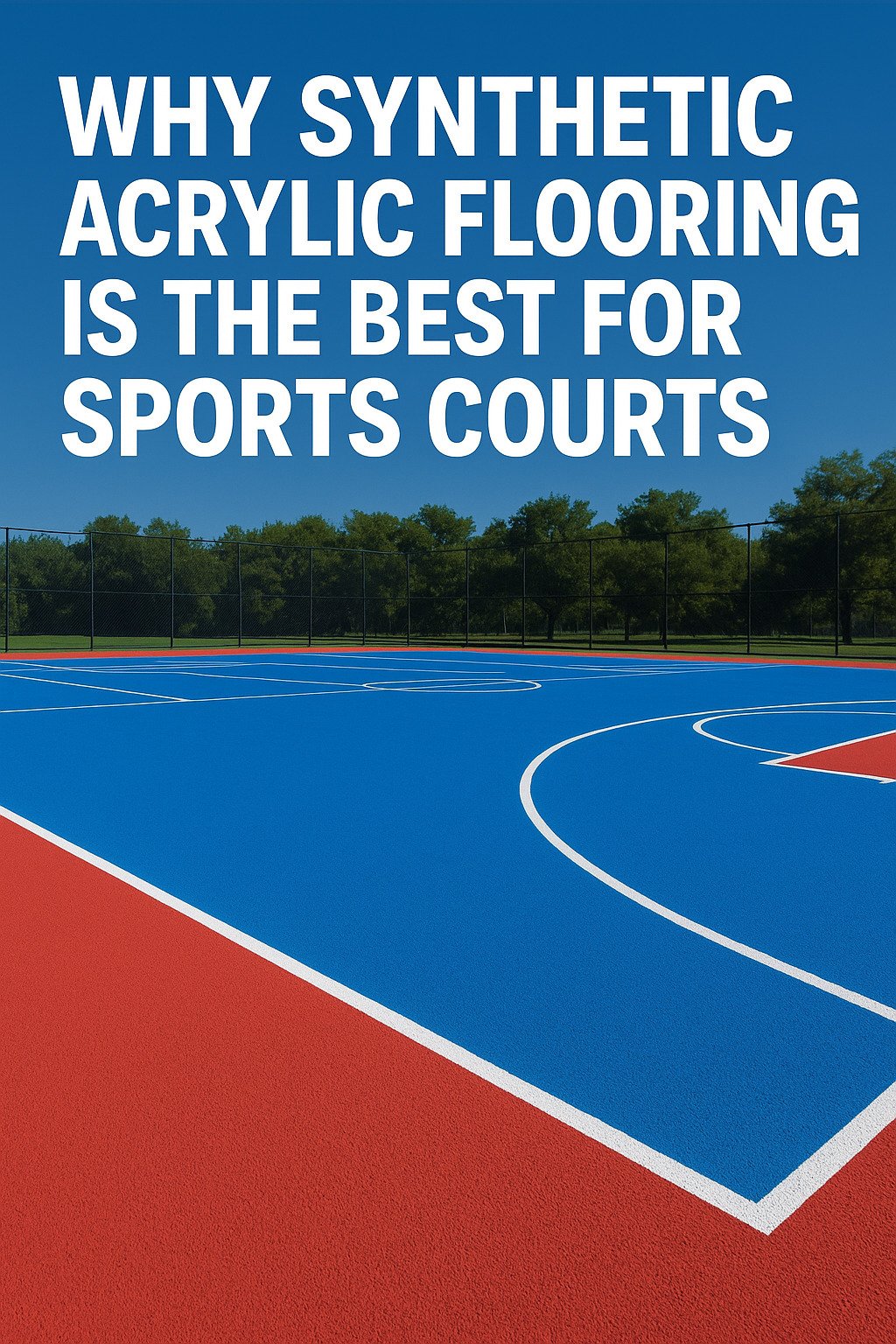
Synthetic acrylic sports flooring has become one of the most popular and trusted choices for sports courts worldwide, thanks to its durability, versatility, and player-friendly features. From professional arenas to school playgrounds, it consistently proves why it stands out as one of the best flooring options for both indoor and outdoor sports.
Table of Contents
What is Synthetic Acrylic Sports Flooring?
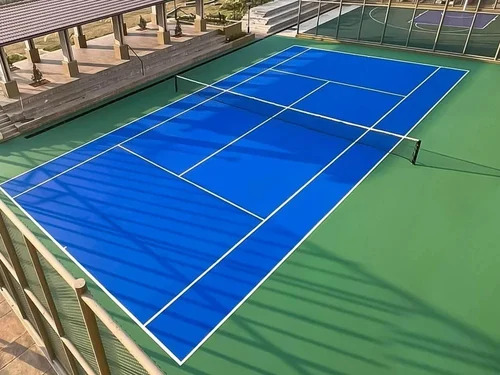
Synthetic acrylic sports flooring is a specialized surface made from acrylic-based materials, designed specifically for sports and recreational activities. It is widely used for both indoor and outdoor courts due to its durability, performance, and versatility.
Key Features of Synthetic Acrylic Sports Flooring:
- Material Composition:
- Made from multiple layers of acrylic resins, fillers, and pigments.
- Often includes cushioning layers for shock absorption and player comfort.
- Surface Characteristics:
- Non-slip and textured for excellent grip and traction.
- Smooth and seamless, ensuring consistent ball bounce and player movement.
- Customizability:
- Available in various colors and designs to suit specific sports or branding needs.
- Line markings for sports like tennis, basketball, and volleyball can be easily added.
- Weather Resistance:
- UV-resistant and capable of withstanding extreme temperatures, making it ideal for outdoor courts.
- Drains water effectively, ensuring quick playability after rain.
Benefits of Synthetic Acrylic Sports Flooring:
- Durability: Withstands heavy foot traffic and high-impact activities.
- Low Maintenance: Easy to clean and resistant to stains, cracks, and fading.
- Player Safety: Provides cushioning and reduces the risk of slips and injuries.
- Cost-Effective: Affordable installation and long-lasting performance.
Common Applications:
- Tennis courts
- Basketball courts
- Multi-purpose sports facilities
- Recreational areas
Key Features of Acrylic Sports Flooring
Here are the key features of acrylic sports flooring that make it a popular choice for sports courts:
1. Durability
- Resistant to wear and tear from heavy foot traffic and high-impact sports.
- Long-lasting even under harsh weather conditions, making it ideal for outdoor use.
2. Non-Slip Surface
- Provides excellent grip and traction, reducing the risk of slips and falls for players.
- Ensures safety during fast-paced movements and sudden stops.
3. Shock Absorption
- Some systems include cushioned layers to absorb impact, reducing stress on players’ joints and minimizing injuries.
4. Weather Resistance
- UV-resistant and capable of withstanding extreme temperatures.
- Drains water effectively, ensuring quick usability after rain.
5. Customizable
- Available in a variety of colors and designs to match branding or aesthetic preferences.
- Easy to add and maintain line markings for different sports.
6. Consistent Performance
- Offers uniform ball bounce and speed, crucial for sports like tennis and basketball.
- Smooth, seamless surface ensures consistent playability.
7. Low Maintenance
- Easy to clean and maintain, with resistance to stains, cracks, and fading.
- Requires minimal upkeep, saving time and costs in the long run.
8. Eco-Friendly
- Made from non-toxic, environmentally friendly materials.
- Recyclable, making it a sustainable choice for sports facilities.
9. Versatility
- Suitable for a wide range of sports, including tennis, basketball, volleyball, and multi-purpose courts.
- Can be used for both indoor and outdoor applications.
10. Cost-Effective
- Affordable installation and long-term durability make it a budget-friendly option.
- Reduces the need for frequent repairs or replacements.
Benefits of Choosing Synthetic Acrylic Flooring
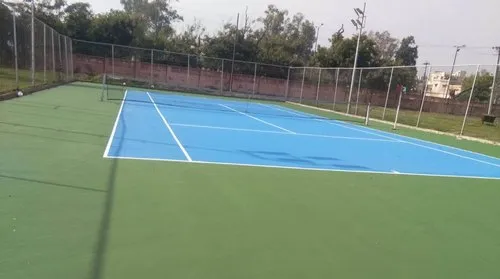
Choosing synthetic acrylic flooring for sports courts and recreational areas comes with a host of benefits. Here’s why it’s a top choice:
1. Durability
- Designed to withstand heavy foot traffic, high-impact activities, and harsh weather conditions.
- Long-lasting performance, even with frequent use.
2. Player Safety
- Non-slip surface reduces the risk of slips and falls.
- Shock-absorbing layers minimize stress on joints and lower the risk of injuries.
3. Enhanced Performance
- Provides consistent ball bounce, speed, and traction, essential for sports like tennis, basketball, and volleyball.
- Smooth, seamless surface ensures uninterrupted play.
4. Weather Resistance
- UV-resistant and capable of handling extreme temperatures, making it ideal for outdoor courts.
- Quick drainage prevents water accumulation, ensuring playability after rain.
5. Low Maintenance
- Easy to clean and resistant to stains, cracks, and fading.
- Requires minimal upkeep, saving time and maintenance costs.
6. Customizable
- Available in a variety of colors and designs to match branding or aesthetic preferences.
- Line markings for different sports can be easily added and maintained.
7. Eco-Friendly
- Made from non-toxic, environmentally friendly materials.
- Recyclable, making it a sustainable choice for sports facilities.
8. Cost-Effective
- Affordable installation and long-term durability reduce overall costs.
- Minimal need for repairs or replacements saves money over time.
9. Versatility
- Suitable for a wide range of sports and recreational activities.
- Works well for both indoor and outdoor applications.
10. Aesthetic Appeal
- Vibrant colors and smooth finishes enhance the look of sports courts.
- Creates a professional and inviting atmosphere for players and spectators.
In summary, synthetic acrylic flooring offers a perfect balance of performance, safety, durability, and cost-effectiveness, making it an excellent investment for sports facilities.
Installation Process of Acrylic Sports Flooring
The installation process of acrylic sports flooring involves several steps to ensure a durable, high-performance surface. Here’s an overview of the process:
1. Surface Preparation
- Inspection: Assess the base surface (concrete or asphalt) for cracks, unevenness, or damage.
- Cleaning: Remove dirt, debris, and grease to ensure proper adhesion.
- Repairs: Fill cracks, holes, or uneven areas with suitable materials to create a smooth base.
- Leveling: Ensure the surface is level and properly sloped for drainage (for outdoor courts).
2. Primer Application
- Apply a primer layer to the prepared surface to enhance adhesion between the base and the acrylic layers.
- Allow the primer to dry completely before proceeding.
3. Cushion Layer (Optional)
- For cushioned acrylic systems, apply multiple layers of rubberized or cushioned material to provide shock absorption and player comfort.
- Each layer is applied evenly and allowed to cure before adding the next.
4. Acrylic Resurfacer
- Apply a layer of acrylic resurfacer to seal the surface and create a smooth, uniform base for the top layers.
- This layer also helps fill any remaining minor imperfections.
5. Color Coating
- Apply 2-3 layers of acrylic color coating, which provides the desired color, texture, and non-slip properties.
- Each layer is applied evenly and allowed to dry before adding the next.
6. Line Marking
- Once the color coating is fully cured, apply line markings for specific sports (e.g., tennis, basketball, volleyball).
- Use high-quality, durable paint to ensure longevity and visibility.
7. Final Inspection
- Inspect the completed surface for any imperfections or inconsistencies.
- Ensure the surface meets performance and safety standards.
8. Curing Time
- Allow the flooring to cure completely before use. This typically takes 5-7 days, depending on weather conditions and the specific materials used.
Key Considerations During Installation:
- Weather Conditions: For outdoor courts, ensure dry weather during installation to avoid issues with curing and adhesion.
- Professional Expertise: Hire experienced professionals to ensure proper application and long-lasting results.
- Base Quality: A well-prepared base is critical for the durability and performance of the acrylic flooring.
Maintenance Tips for Acrylic Sports Flooring
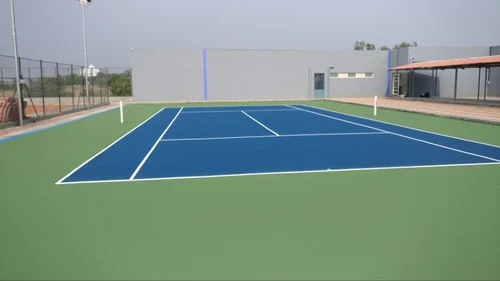
Maintaining acrylic sports flooring is essential to ensure its longevity, performance, and safety. Here are six practical maintenance tips:
1. Regular Cleaning
- Sweep Daily: Remove dust, dirt, and debris using a soft-bristle broom or blower to prevent surface abrasion.
- Wash Periodically: Use a mild detergent and water to clean the surface. Avoid harsh chemicals that can damage the acrylic coating.
- Pressure Washing: For outdoor courts, use a low-pressure washer occasionally to remove stubborn dirt and stains.
2. Inspect for Damage
- Regularly check for cracks, peeling, or surface wear.
- Address minor issues promptly to prevent them from worsening and affecting playability.
3. Avoid Sharp Objects
- Prohibit the use of sharp or heavy equipment (e.g., high heels, skateboards) on the surface to prevent scratches or gouges.
- Use protective pads under heavy equipment if necessary.
4. Manage Water and Drainage
- Ensure proper drainage to prevent water pooling, which can weaken the surface over time.
- Remove standing water promptly to avoid stains or algae growth.
5. Reapply Coatings
- Over time, the top acrylic layers may wear down. Reapply color and non-slip coatings every 3-5 years (or as needed) to maintain performance and aesthetics.
- Hire professionals for resurfacing to ensure even application.
6. Protect from Harsh Elements
- For outdoor courts, use covers during extreme weather conditions (e.g., heavy rain, snow, or prolonged UV exposure) to protect the surface.
- Trim nearby trees to minimize debris like leaves and branches.
Cost Factors to Consider
When planning to install acrylic sports flooring, several cost factors come into play. Understanding these can help you budget effectively and make informed decisions. Here are the key cost factors to consider:
1. Surface Preparation
- Base Material: The condition of the existing surface (concrete or asphalt) impacts costs. Repairs, leveling, or resurfacing may be required.
- Drainage: For outdoor courts, proper drainage systems may need to be installed or upgraded.
2. Type of Acrylic System
- Standard vs. Cushioned: Cushioned acrylic systems (with shock-absorbing layers) are more expensive than standard systems.
- Layer Thickness: The number of layers and thickness of the acrylic coating influence costs.
3. Court Size
- Larger courts require more materials and labor, increasing overall costs.
- Multi-sport courts with additional line markings may also add to the expense.
4. Customization
- Colors and Designs: Custom colors, logos, or branding can increase costs.
- Line Markings: Adding lines for multiple sports or intricate designs requires additional labor and materials.
5. Labor Costs
- Professional installation is essential for quality and durability. Labor costs vary based on location, expertise, and project complexity.
6. Weather Conditions
- Outdoor installations may require weatherproofing measures, which can add to the cost.
- Delays due to weather can also increase labor expenses.
7. Maintenance and Longevity
- While acrylic flooring is low-maintenance, periodic resurfacing (every 3-5 years) should be factored into long-term costs.
- High-quality materials may have a higher upfront cost but reduce maintenance expenses over time.
8. Additional Features
- Shock Absorption: Adding cushioned layers for player comfort and safety increases costs.
- Lighting and Fencing: For outdoor courts, additional infrastructure like lighting or fencing may be required.
9. Location
- Transportation of materials and availability of skilled labor in your area can affect costs.
- Remote locations may incur higher delivery and labor charges.
10. Quality of Materials
- Premium acrylic materials last longer and perform better but come at a higher price.
- Cheaper materials may save money initially but could lead to higher maintenance and replacement costs.
FAQ’s
How long does acrylic sports flooring last?
Acrylic sports flooring typically lasts 5 to 8 years with proper care and maintenance. Its lifespan depends on factors like usage intensity, weather conditions (for outdoor courts), and the quality of installation. Regular cleaning, timely resurfacing, and protective measures can extend its durability, allowing the court to perform well for many years.
Is acrylic flooring suitable for both indoor and outdoor sports?
Yes, acrylic flooring is highly versatile and can be used for both indoor and outdoor sports courts. Its UV-resistant surface makes it ideal for outdoor applications like tennis, basketball, and volleyball courts, as it can withstand heat, rain, and other weather conditions. At the same time, its smooth, cushioned, and non-slip finish ensures safety and comfort indoors, making it perfect for multi-purpose halls, schools, and sports complexes.
Can acrylic sports flooring withstand extreme weather conditions?
Yes, acrylic sports flooring is designed to handle a wide range of weather conditions. Its UV-resistant and water-resistant properties make it durable against harsh sunlight, heavy rains, and temperature fluctuations. While it performs exceptionally well outdoors, regular maintenance such as cleaning and checking for surface cracks can help preserve its quality and extend its lifespan, even in extreme climates.
How often should resurfacing be done?
Resurfacing for acrylic sports flooring is usually recommended every 4 to 7 years, depending on usage intensity and weather exposure. Courts that experience heavy foot traffic or outdoor conditions may need resurfacing sooner, while lightly used indoor courts can last longer. Regular inspections and timely resurfacing help maintain consistent playability, safety, and the overall look of the court.